
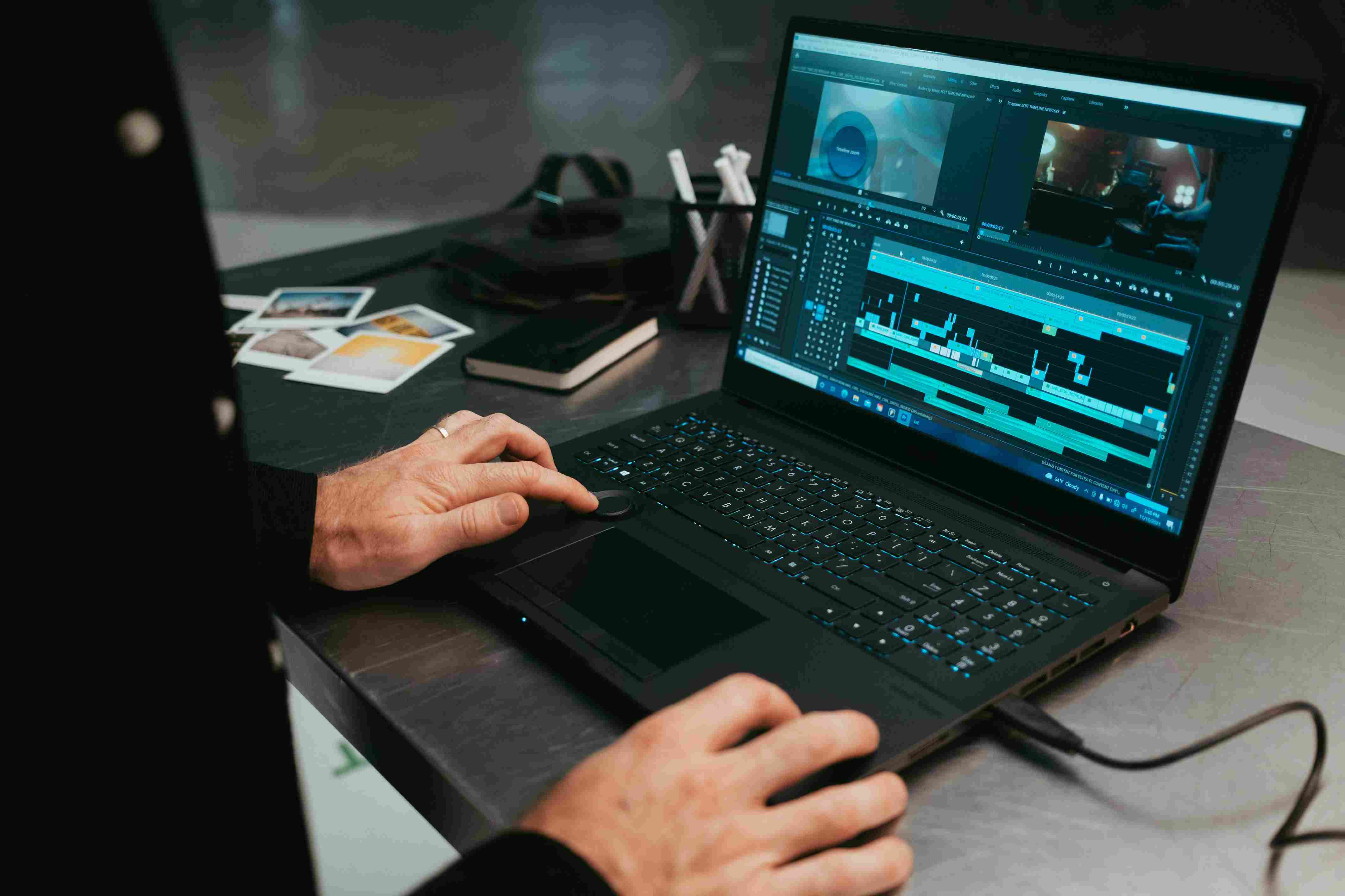
In today's fast-paced digital landscape, web design has evolved far beyond aesthetic appeal. It's become a sophisticated blend of artistry, psychology, and technology that determines whether users stay or bounce. Modern web design balances cutting-edge trends with timeless principles to create experiences that are not just visually stunning, but intuitive, accessible, and effective at driving results.
The Evolution of Web Design
Web design has transformed dramatically from the static, text-heavy pages of the early internet to today's dynamic, interactive experiences. The shift to mobile-first approaches, the rise of responsive design, and the increasing importance of performance have fundamentally changed how we create for the web. Understanding this evolution helps us appreciate why current trends and principles matter.
Core Principles of Modern Web Design
1. User-Centered Design (UCD)
Modern web design begins and ends with the user. Every decision—from layout to color scheme—should be informed by user needs, behaviors, and goals. This means:
-
Conducting user research and creating personas
-
Mapping user journeys
-
Prioritizing intuitive navigation
-
Regular user testing and iteration
2. Mobile-First Approach
With over 60% of web traffic coming from mobile devices, designing for mobile first is no longer optional. This approach ensures:
-
Content is prioritized based on importance
-
Touch-friendly interfaces
-
Fast loading on mobile networks
-
Seamless experience across all devices
3. Performance as a Feature
Speed isn't just convenient—it's expected. Studies show users abandon sites that take more than 3 seconds to load. Key performance considerations include:
-
Optimized images and assets
-
Efficient code and minimal HTTP requests
-
Leveraging browser caching
-
Content Delivery Networks (CDNs)
4. Accessibility (A11y)
Creating inclusive digital experiences is both ethical and beneficial. Accessible design expands your audience and improves SEO. Focus on:
-
Semantic HTML structure
-
Sufficient color contrast
-
Keyboard navigation support
-
ARIA labels and screen reader compatibility
-
Alternative text for images
Current Trends Shaping Modern Web Design
1. Minimalism and Clean Aesthetics
The "less is more" philosophy continues to dominate with:
-
Generous white space
-
Limited color palettes
-
Simple typography
-
Streamlined navigation
2. Dark Mode Designs
Once a novelty, dark mode is now expected. Benefits include:
-
Reduced eye strain in low-light conditions
-
Enhanced visual hierarchy
-
Potential battery savings on OLED screens
-
Modern, sophisticated appearance
3. Micro-interactions
Subtle animations and responses that enhance user experience:
-
Button hover effects
-
Form validation animations
-
Progress indicators
-
Feedback for user actions
4. Immersive 3D Elements
Advances in WebGL and browser capabilities enable:
-
Interactive product visualizations
-
Engaging storytelling elements
-
Virtual tours and experiences
-
Enhanced brand expression
5. Glassmorphism and Neumorphism
Visual trends creating depth and texture:
-
Glassmorphism: Frosted glass effects with transparency
-
Neumorphism: Soft UI with shadows and highlights mimicking physical objects
6. Voice User Interface (VUI) Integration
As voice assistants become ubiquitous:
-
Voice search optimization
-
Voice-activated navigation
-
Conversational interfaces
-
Accessibility enhancements
7. AI and Personalization
Smart design elements that adapt to users:
-
Dynamic content based on user behavior
-
AI-powered chatbots
-
Personalized recommendations
-
Predictive user interfaces
Best Practices for Implementation
Content Strategy
-
Use clear, concise, and scannable content
-
Implement a consistent content hierarchy
-
Optimize for readability with appropriate line lengths and spacing
-
Use visual content to support and enhance text
Navigation Design
-
Keep navigation simple and predictable
-
Use descriptive labels
-
Implement breadcrumbs for complex sites
-
Include search functionality for content-rich sites
Visual Design Elements
-
Establish and maintain a consistent brand identity
-
Use color psychology effectively
-
Create visual hierarchy with typography scale
-
Ensure adequate contrast for readability
Technical Implementation
-
Implement responsive design frameworks
-
Optimize for Core Web Vitals
-
Ensure cross-browser compatibility
-
Regular performance audits and optimization
Tools and Technologies for Modern Web Design
Design Tools
-
Figma, Sketch, or Adobe XD for UI/UX design
-
Prototyping tools for user testing
-
Color accessibility checkers
Development Frameworks
-
React, Vue, or Angular for dynamic interfaces
-
Tailwind CSS or Bootstrap for rapid prototyping
-
Next.js or Gatsby for performance-focused sites
Performance Optimization
-
Lighthouse for performance auditing
-
Image optimization tools (Squoosh, ImageOptim)
-
Bundle analyzers for code optimization
The Future of Web Design
Emerging Trends to Watch
-
Web3 and Decentralized Design: Interfaces for blockchain and decentralized applications
-
Augmented Reality Integration: AR experiences accessible through browsers
-
AI-Generated Design: Tools that assist or automate design decisions
-
Biometric Authentication: Secure, seamless login experiences
-
Sustainable Web Design: Eco-friendly practices reducing digital carbon footprint
Preparing for What's Next
-
Stay adaptable and continuously learn
-
Focus on foundational principles that withstand trends
-
Balance innovation with usability
-
Build with accessibility and inclusivity from the start
Conclusion
Modern web design is a dynamic field that requires balancing aesthetic innovation with functional excellence. By combining current trends with timeless principles and best practices, designers can create digital experiences that are not only visually compelling but also intuitive, accessible, and effective. The most successful designs serve users first while pushing creative boundaries—a delicate balance that defines excellence in today's digital landscape.
Remember: The best designs don't just follow trends—they serve users while anticipating where the web is headed next.